
The year 2026 is shaping up to be a breakthrough for the welding industry. Increasing pressure to shorten production times, the need to respond flexibly to changing orders, and a noticeable shortage of skilled workers are forcing companies to seek solutions that will give them a real competitive edge. At the heart of these changes are three key areas: modularity, automation, and the digital twin. These aspects will largely determine how manufacturing evolves in the coming years—both in large industrial plants and smaller workshops.
Modularity as the key to flexible production
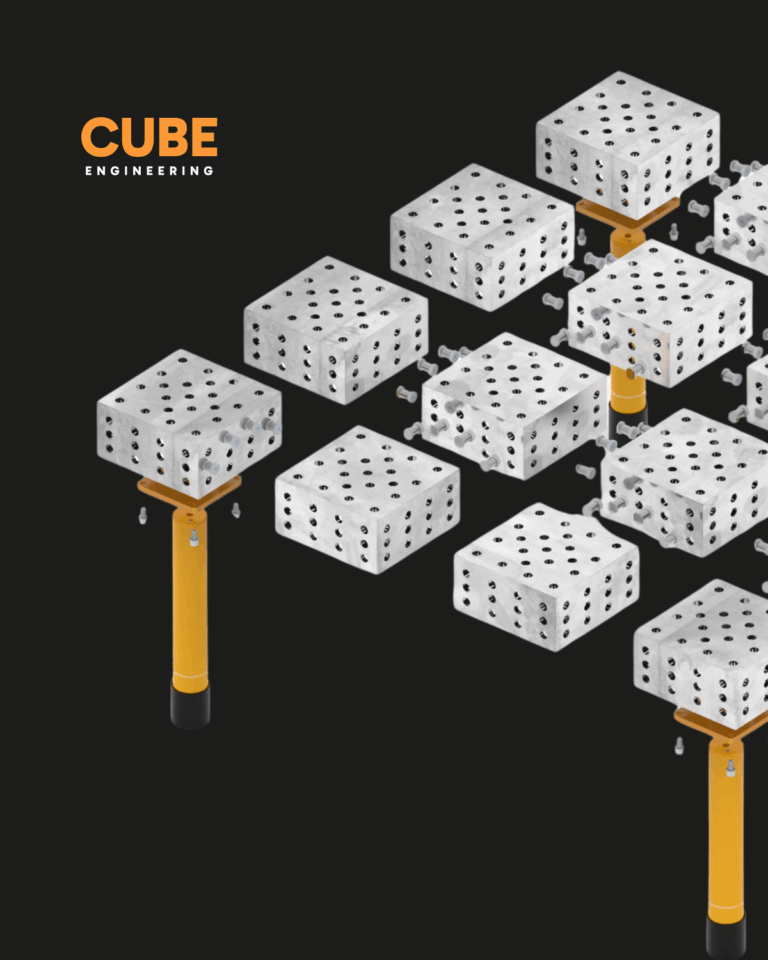
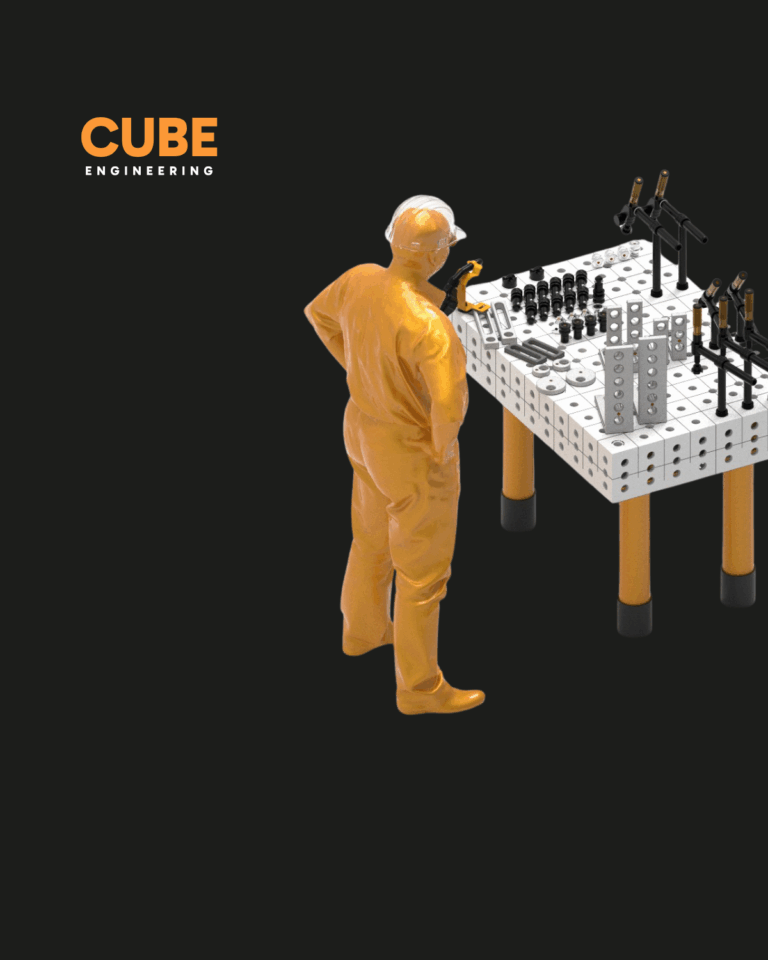
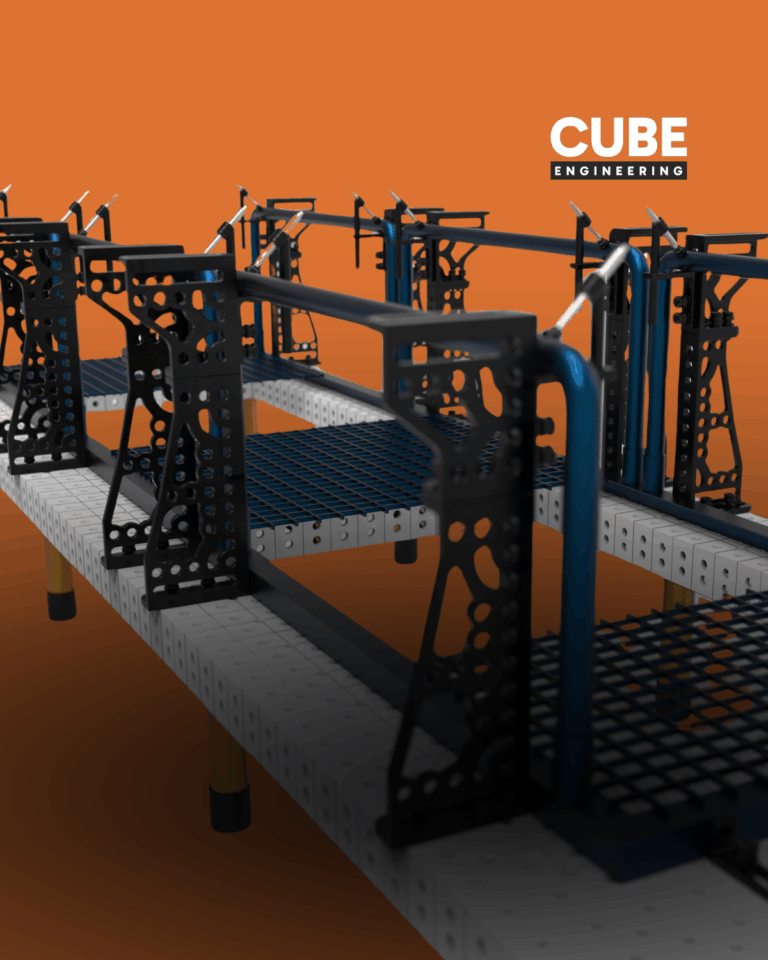
Modularity is now the foundation for organizing welding workstations, as companies increasingly need to quickly adapt production to new projects. Instead of investing in multiple different tables and dedicated stations, they choose systems that can be configured as needed. Modular tables like CUBEWELD, with a full set of accessories, allow seamless transitions between one-off projects and short series, ensuring complete repeatability and a high level of precision. In practice, this means not only greater flexibility, but also lower investment costs and space savings—one base can handle many types of structures.
Automation as a solution to the shortage of skilled welders
Another clear trend is the increasing automation of processes through so-called “light robotization.” Companies are more and more willing to invest in cobots, positioners, or torch guidance systems instead of building fully robotic, expensive workcells. The key factor is that automation is now much more accessible and intuitive than just a few years ago. It doesn’t require lengthy training, and operators can quickly learn how to use the equipment. Automation improves weld consistency, stabilizes production quality, and reduces dependence on the shortage of experienced welders—one of the biggest challenges in the market.
Digital Twin in welding
In parallel with automation, the concept of the digital twin—virtual replicas of processes and products—is also developing. Until recently, this technology was the domain of the automotive sector and large factories, but it is now becoming increasingly accessible and used in medium-sized manufacturing companies and welding departments. Digital twins enable simulation of welding sequences, prediction of deformations, tooling planning, and design verification even before any physical work begins. As a result, companies can reduce costly rework and increase the predictability of the entire production process.
Precision and stability of equipment are essential for automation
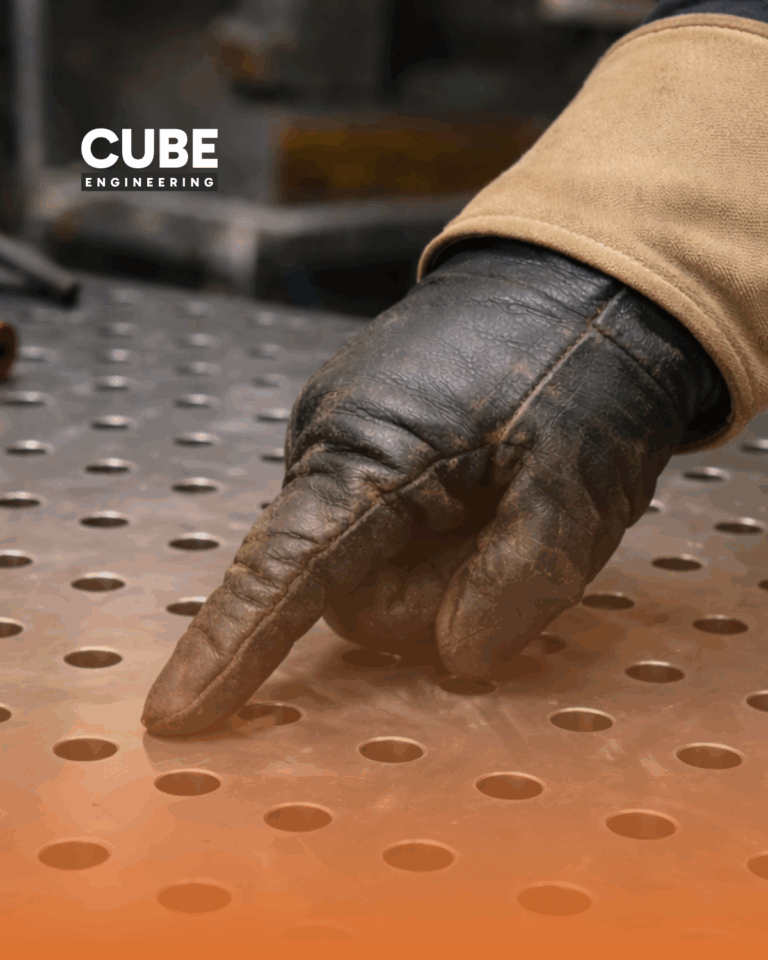
Year after year, increasing emphasis is placed on the precision and stability of welding equipment. In the era of automation, tables are no longer just ordinary work surfaces—they must ensure flatness and resistance to deformation, since any referencing error affects the robot’s operation. This is why advanced stress-relief technologies, heat treatment, and anti-corrosion coatings are becoming more important, as they increase equipment durability and allow for long-term precision even after years of intensive use.
Smart solutions for the welding industry
In 2026, we will see rapid development of smart solutions such as temperature sensors and systems that monitor deformations. These tools enable real-time quality control of welding and analysis of heat impact on structures, resulting in better product parameters and fewer complaints.
Table surface durability as part of TCO
Protecting table surfaces and ensuring their durability is becoming increasingly important, as companies are more often analyzing the total cost of ownership of their equipment. In practice, this means growing interest in table manufacturing technologies that affect flatness and resistance to high temperatures. Equipment that serves us for many years minimizes downtime and reduces the need to replace expensive components.
Integrating CAD Design with Welding Processes
Finally, it’s worth highlighting the growing integration of CAD environments with welding processes. Designers and welders are working more closely together, using 3D simulations, fixture libraries, and tooling planning tools already at the design stage. This approach shortens the time needed to implement new constructions and significantly reduces the number of errors.
See why CUBEWELD is the solution of choice for modern companies and workshops. Design your table today and gain a competitive edge.